Key takeaways
- A fire alarm system detects, interprets and warns — it doesn't put the fire out.
- Design has to reflect the building's layout, use, occupancy and the requirements that apply to it.
- Placement, cabling, panel configuration and trade coordination matter as much as the equipment.
- Requirements in Saudi Arabia should be confirmed project by project with the relevant authorities.
- Documented testing and maintenance are what keep a quiet system ready for the day it's needed.
Fires move fast. In an office tower, a warehouse, a hospital or a residential complex, the minutes between the first spark and the moment someone notices can decide how a story ends. That is why a fire alarm system matters so much: it is the part of your building that notices before people do.
A well-designed, well-kept system picks up the early signs of a fire and warns the people inside, so evacuation and emergency procedures can start straight away. Where the approved design allows it, the system can also talk to other building safety systems.
In Saudi Arabia, fire safety is not something you deal with once at handover and forget. It comes up during design, construction, occupancy and every year of facility upkeep after that. Building owners and managers need to know what their particular premises require, and they need to keep the installed system in good shape under the applicable regulations.
PrimeLynx Global Company supports buildings through engineering, electrical, facility management and fire safety services. In this guide, we walk through how fire alarm systems work, what they are made of, and why professional installation and regular maintenance make such a difference.
What is a fire alarm system?
Think of a fire alarm system as a network of devices that spot signs of fire, make sense of the signal and raise the alarm with occupants or the people responsible for the building.
Depending on the building and its risks, the system might respond to smoke, heat or other specified fire conditions. When a detector or a manual call point is triggered, the control panel reads the signal and starts the right alarm response.
None of this is one-size-fits-all. The design has to reflect the building's layout, how it is used, who occupies it and which fire safety requirements apply.
Main components of a fire alarm system
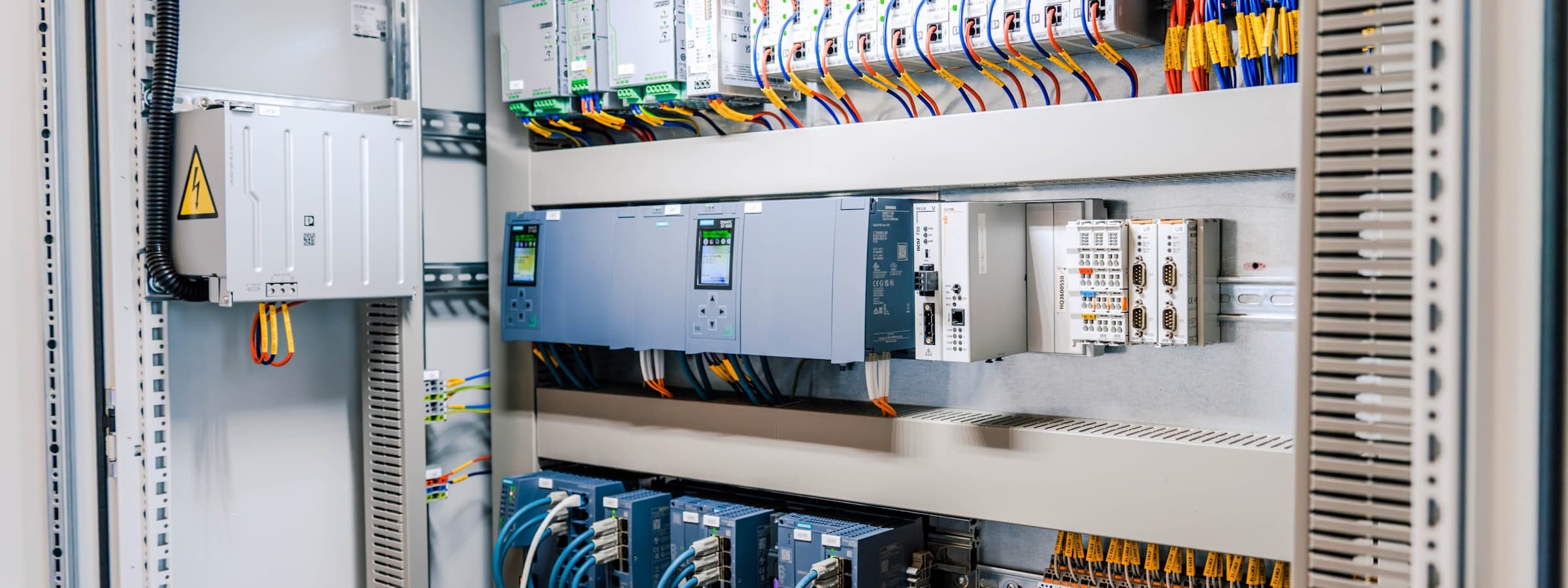
Fire alarm control panel
The brain of the system. Every connected device reports to it, and it decides what happens next. It points to an alarm zone or a specific device, shows faults and monitors the connected circuits. Addressable systems give device-level information; conventional systems generally tell you which zone the event is in.
Smoke detectors
Pick up the particles a developing fire gives off. Choice and placement are everything: airflow, ceiling shape and the work done in a space all affect performance. A dusty workshop or a steamy area may need a different approach to avoid false activations without losing protection.
Heat detectors
React to a set temperature or a rapid rise in temperature. They can suit some kitchens, utility rooms or unusual operating conditions where smoke detection doesn't work well — but they don't replace smoke detectors everywhere.
Manual call points
Let someone who spots a fire set off the alarm by hand — sometimes a person sees the problem before any detector does. Inspections check that they are easy to see, easy to reach and working properly.
Audible and visual alarm devices
Sounders, bells, horns, speakers and visual alerts tell people to act. The setup should suit the layout, the background noise and the people who use the space; in some places flashing visual alerts are needed alongside sound.
Backup power supply
Systems normally need a dependable power arrangement, including backup where the design and standards require it. If a system can't keep running through a power cut, it can't protect anyone when it matters most.
Links to other safety systems
Some systems connect with emergency notification, smoke control, selected HVAC functions, access control or fire protection equipment. These links must follow the approved cause-and-effect logic and be tested as part of the whole system.
Detecting a fire and warning people is not the same as putting it out. Sprinklers, fire pumps and extinguishers do a different job, even though they all belong to the same overall fire protection strategy.
Types of fire alarm systems
The best system for a building depends on its size, layout, occupancy and how it operates.
Conventional systems
The building is split into zones. When a device activates, the panel shows which zone is affected, though not always the exact device. For smaller or simpler premises, that can be perfectly adequate.
Addressable systems
Each compatible device has its own address, making it much easier to find where an alarm or fault came from — a real help in offices, hotels, healthcare, industrial sites and multi-storey buildings.
Integrated systems coordinate the fire alarm with other life safety and building management systems, so a detected fire triggers a defined response across the building. This only works if the integration is designed, configured and tested properly — and a building management system should never be treated as a stand-in for a dedicated, compliant fire alarm system.
Why professional fire alarm installation matters
Buying good equipment is only the start. How a system performs depends just as much on how it is designed, installed, configured and tested.
Detector placement
Devices need to go where the approved plans, site conditions, manufacturer guidance and requirements say. Poor placement can weaken detection or cause nuisance alarms.
Cabling and connections
Cables, containment, terminations and circuits must match the design and follow proper installation practice. Sloppy connections are a common source of faults.
Panel configuration
Devices, zones, alerts and interfaces have to behave as intended. Clear alarm descriptions and zone information help responders act quickly.
Coordination with other trades
Fire alarm work usually runs alongside electrical, HVAC, ceiling and fit-out work. Good coordination avoids hidden devices, damaged cables, access problems and rework.
Commissioning and documentation
Before handover the system goes through the required inspections and functional tests, and the paperwork records equipment, configuration, results, open issues and handover details.
Fire alarm requirements in Saudi Arabia
Businesses in Saudi Arabia should look at fire alarm requirements through the lens of the applicable Saudi Building Code provisions, Civil Defense requirements, project specifications and relevant technical standards. Those requirements change with the type of building, its occupancy, size, use and specific risks, so the design and approval route should be confirmed project by project.
The Saudi Civil Defense publishes official resources on safety regulations, Saudi Building Code requirements, fire protection drawing submissions and conformity. When planning a project, building owners and contractors should:
Planning a fire alarm project
This article gives general information and is not a compliance certification. Final requirements should be checked with the relevant authorities and qualified professionals.
Fire alarm testing and commissioning
Testing and commissioning confirm that the installed system really works the way it was designed to, before anyone relies on it. The exact scope depends on the system, the approved design, the manufacturer's instructions and the applicable requirements. Typical activities can include:
- 1Inspecting installed devices and control equipment.
- 2Checking circuit connections and system indications.
- 3Testing smoke and heat detectors with suitable, approved methods.
- 4Verifying that manual call points work.
- 5Confirming that audible and visual alerts operate.
- 6Checking power supplies and backup arrangements.
- 7Testing specified links with other safety systems.
- 8Recording results and fixing any faults found.
If the system is connected to a monitoring service or to other building systems, testing should be coordinated in advance so nobody triggers an unnecessary emergency dispatch or disrupts operations. The final documentation should say which tests were carried out, what the results were and which corrective actions are still open.
Why regular fire alarm maintenance is essential
A fire alarm system can sit quietly for months or years. Then, one day, it has to work perfectly. Routine maintenance is how you make sure it will.
Catching faults early
Inspections can reveal damaged devices, wiring problems, panel faults and weak batteries before they become serious.
Fewer unwanted alarms
Dust, site conditions and unsuitable detector choices can lead to false activations. Regular checks help you find the real cause.
Reliable warnings
Maintenance confirms sounders and visual alarms can still deliver the warning the system was built to give.
Better records
Documented maintenance builds a history of inspections, tests, faults, repairs and recommendations, and shows that required activities have been dealt with.
Operational readiness
Knowing the condition of your systems makes it easier to plan repairs, spare parts and future service needs.
Maintenance intervals and test procedures should follow the applicable requirements, the manufacturer's recommendations and the building's approved maintenance plan.
Common fire alarm problems
Repeated unwanted alarms
Often linked to site conditions, dirty detectors, the wrong device for the space, or a system fault.
Device or circuit faults
Damaged wiring, loose connections or failed devices can all trigger fault indications.
Battery problems
Worn batteries or charging issues can leave the backup power unavailable.
Communication failures
Problems with interfaces or monitoring connections can stop signals from getting through.
Unclear records
Missing drawings, incomplete device lists or outdated zone information make troubleshooting harder.
Unapproved changes
Renovations or new room layouts can leave gaps in device coverage and upset the system configuration.
Qualified personnel should investigate faults. Disabling devices or resetting the panel again and again without finding the cause can leave a building poorly protected.
Choosing a fire alarm service provider in Saudi Arabia
Whether you are installing a new system, upgrading an old one or setting up ongoing maintenance, the provider you choose matters. Before you sign anything, ask about:
Questions to ask a fire alarm provider
It is worth comparing providers on technical suitability, documentation and service quality, not just price.
PrimeLynx Global Company: fire safety and technical services
PrimeLynx Global Company offers integrated engineering, facility management and technical services across Saudi Arabia. Our portfolio covers electrical and low-voltage systems and fire alarm and firefighting system maintenance through PrimeLynx Energy, and the supply of fire alarm and fire protection materials through PrimeLynx Trading.
For building owners, facility managers and project teams, having these services under one roof can make day-to-day life easier, from inspections and maintenance requests to fault reports and corrective work. We always recommend confirming the scope of each project up front, including approvals, equipment requirements, testing responsibilities and documentation.
Conclusion
A fire alarm system is only as good as its weakest part. The detectors, the control panel, the sounders and the backup power all have to do their job, and they have to do it together.
For businesses in Saudi Arabia, the path to a dependable system is fairly clear: plan carefully, get the right approvals, commission the system properly and keep up with documented maintenance.
Planning a fire alarm installation, a maintenance programme or a fire safety upgrade? Get in touch with PrimeLynx Global Company to talk through your building's technical service needs.